SOPREMA Commercial Roofing in Miami Gardens, FL
Roofing Manufacturers
Compare SOPREMA commercial roofing options with roof-area conditions, installation sequence, and access limits for projects in Miami Gardens, Florida.
SOPREMA Commercial Roofing Overview
Before specifying a SOPREMA system, map roof conditions and operating limits. In Miami Gardens, FL, the GC may be coordinating active tenants, deliveries, rooftop trades, and temporary weather protection before choosing a work boundary. We record membrane, seams, drains, edges, penetrations, and prior repairs by roof area, then connect those observations to the proposed assembly. That sequence helps distinguish a repair candidate from a recovery or replacement decision without letting a product family substitute for field evidence.
SOPREMA's commercial range includes SBS-modified bitumen, PVC single-ply, and liquid-applied membrane systems, along with related roof components. Those categories use different installation methods and should be evaluated against the deck, substrate, building activity, and project documents. A modified-bitumen assembly calls for a different work sequence than a PVC membrane. We review the proposed system at roof transitions and occupied-site constraints before estimating.
Which system family suits the specified work?
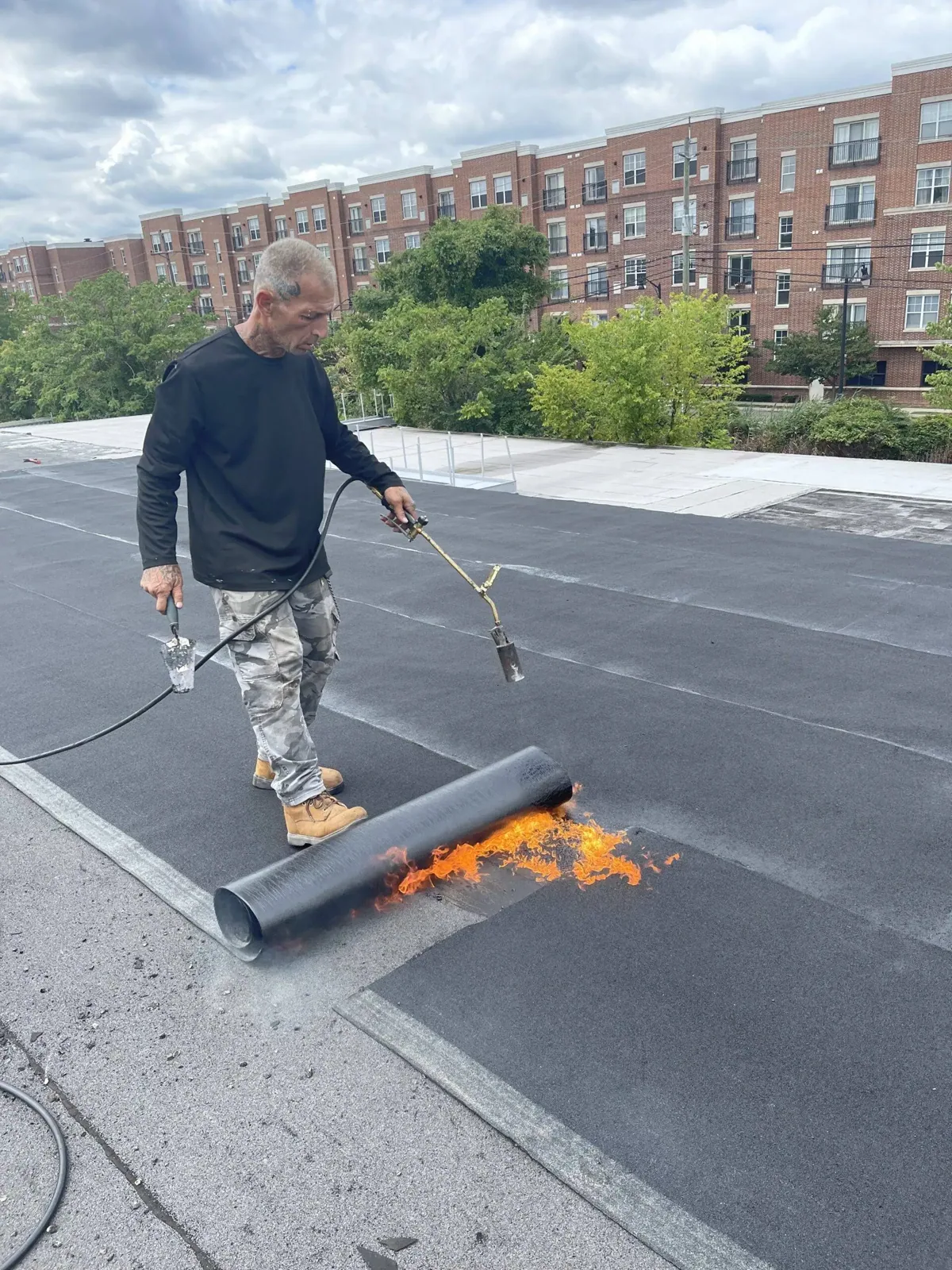
Start with the existing roof construction and the building's use. A PVC membrane, SBS-modified bitumen assembly, or liquid-applied system will each bring different surface preparation, seam or layer steps, flashing details, and closeout checks. We compare those requirements with the deck, insulation, drainage, penetrations, and any chemical or rooftop traffic exposure noted by the project team. The decision should identify the assembly and its boundary, not stop at a material name.
SBS systems are built through compatible layers, while PVC uses heat-welded seams and liquid-applied materials rely on prepared surfaces and specified thickness. Where an assembly crosses a parapet, drain, curb, or expansion joint, the transition details may control labor and sequencing. We review those points with the design documents and note whether a mock-up, test, or clarification is needed. A restoration option also needs a separate compatibility check, because substrate condition and coating system requirements govern whether that package is suitable.
More on SOPREMA Commercial Roofing
The sections below cover the questions property teams ask before they approve the work.
What does the roof-area record need to settle?
We map representative seams, blisters, flashing openings, punctures, drains, edge metal, and transitions to a roof plan. Each photograph includes a location so the GC can connect it to the quantity, proposed detail, or change request. If a moisture survey or test cut is warranted, we mark the sample area and method separately from surface observations. A finding at one point does not establish the condition of every roof section. The condition report can then track evidence, repair candidates, and decisions through the bid and field phases.
Miami Lakes integrates residential, commercial, industrial, and mixed uses in its planning framework and identifies dedicated business parks. That broad context makes access and occupancy questions relevant to a commercial roof review, but it does not identify any individual building's construction. A project team coordinating Miami Gardens and Miami Lakes properties should keep their assemblies, repair histories, and delivery constraints separate. We record each property's roof-area sequence so a portfolio comparison does not transfer one site's assumptions to another.
How do installation steps shape daily closeout?
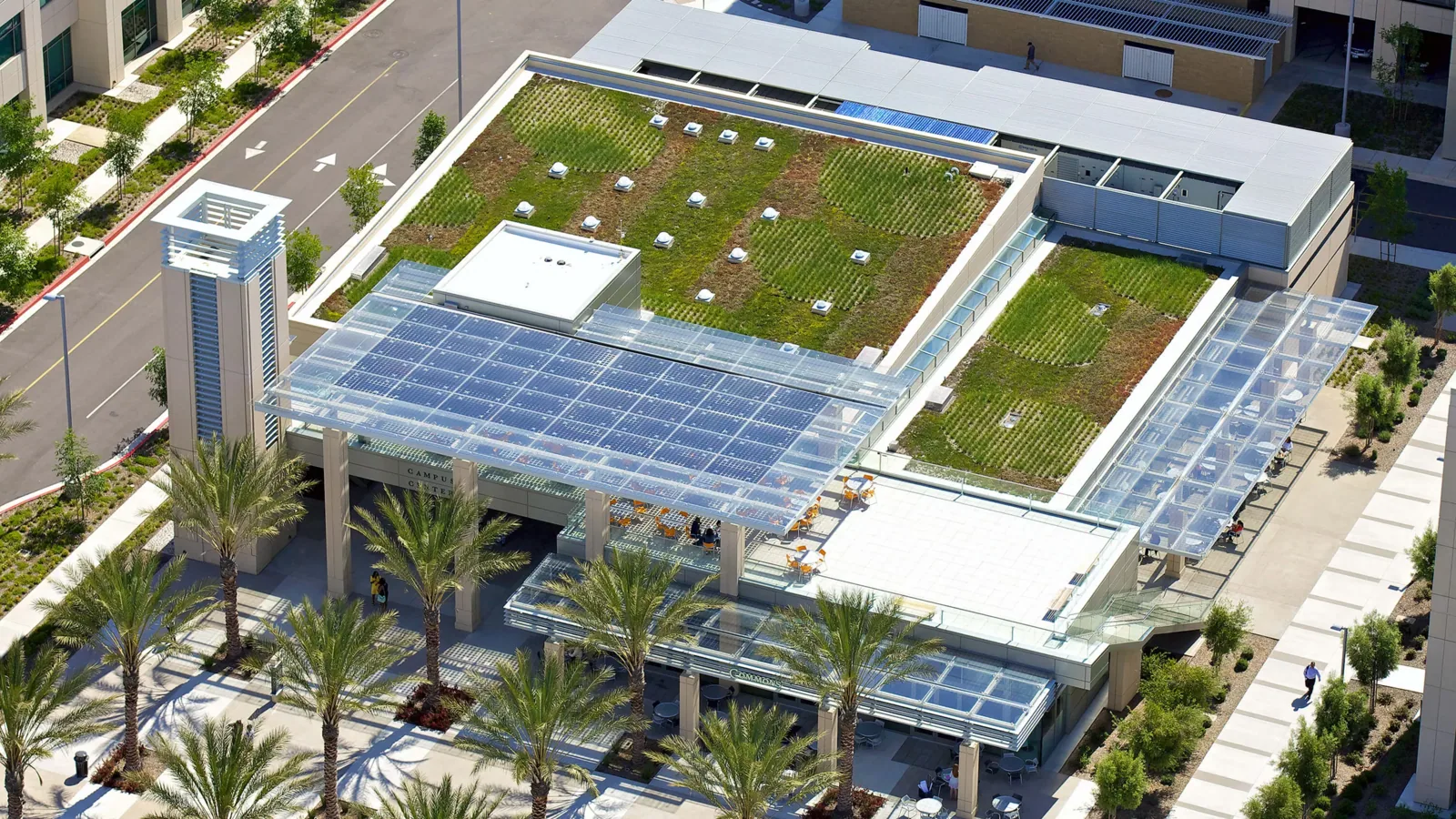
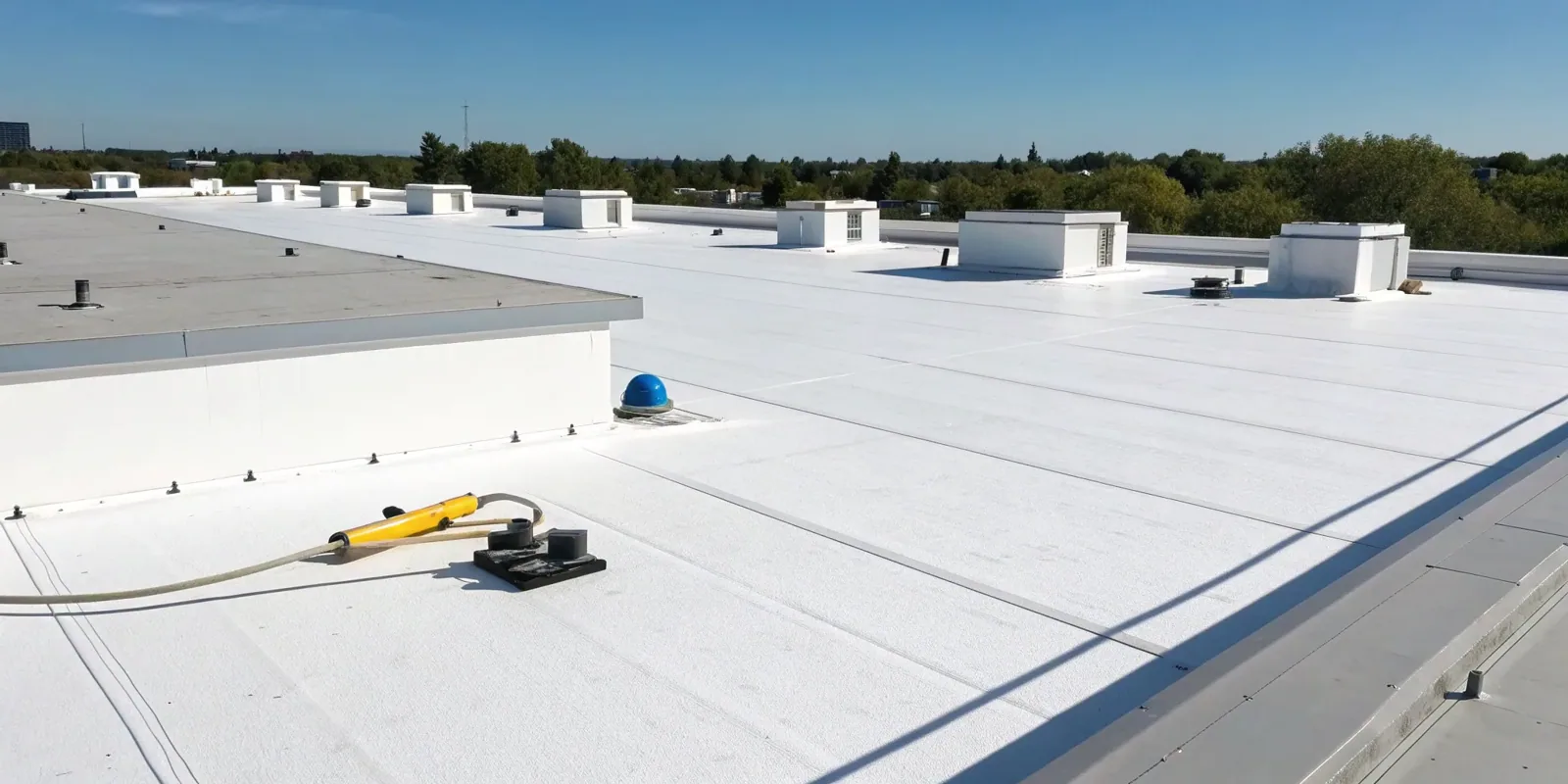
Membrane placement and detail work should advance in a sequence that allows each roof area to be protected before a shift ends. For a layered bituminous assembly, the GC needs to understand the planned installation method, material staging, fire controls where applicable, and the transition from one work area to the next. A single-ply or liquid-applied scope has different preparation and inspection points. We translate the specified system into a work package with zone limits, crew sequence, access needs, and the closeout step for that shift.
South Florida's wet season runs from May 15 through October 15 and accounts for most average annual regional rainfall. That calendar supports earlier planning for exposed roof areas, temporary protection, and daily dry-in. It does not establish whether a storm affected a particular property. We identify the area that can be completed within the available access window, set a stop line, and record who verifies closure before the crew leaves. If a weather change compresses the work window, the GC can resequence zones instead of leaving the protection decision open.
Industries We Work With
Owners and operators in these fields rely on us to plan roof work around their buildings.
Coordinate healthcare roof work in Miami Gardens, FL around patient routes, critical rooms, equipment, infection controls, and documented approval windows.
Coordinate 3PL roof work in Miami Gardens, FL around dispatch cycles, dock access, inventory protection, equipment routes, and phased closeout.
Plan school district roof work in Miami Gardens, FL around student routes, athletic spaces, summer windows, classroom protection, and board approvals.
Coordinate portfolio roof work in Miami Gardens, FL with area records, access windows, repair priorities, and approvals that keep each asset distinct.
Related Roofing Work
Other pages that cover the same roof question.
Roof leaking now? Call 555-555-5555 and we will send a crew to look at it.
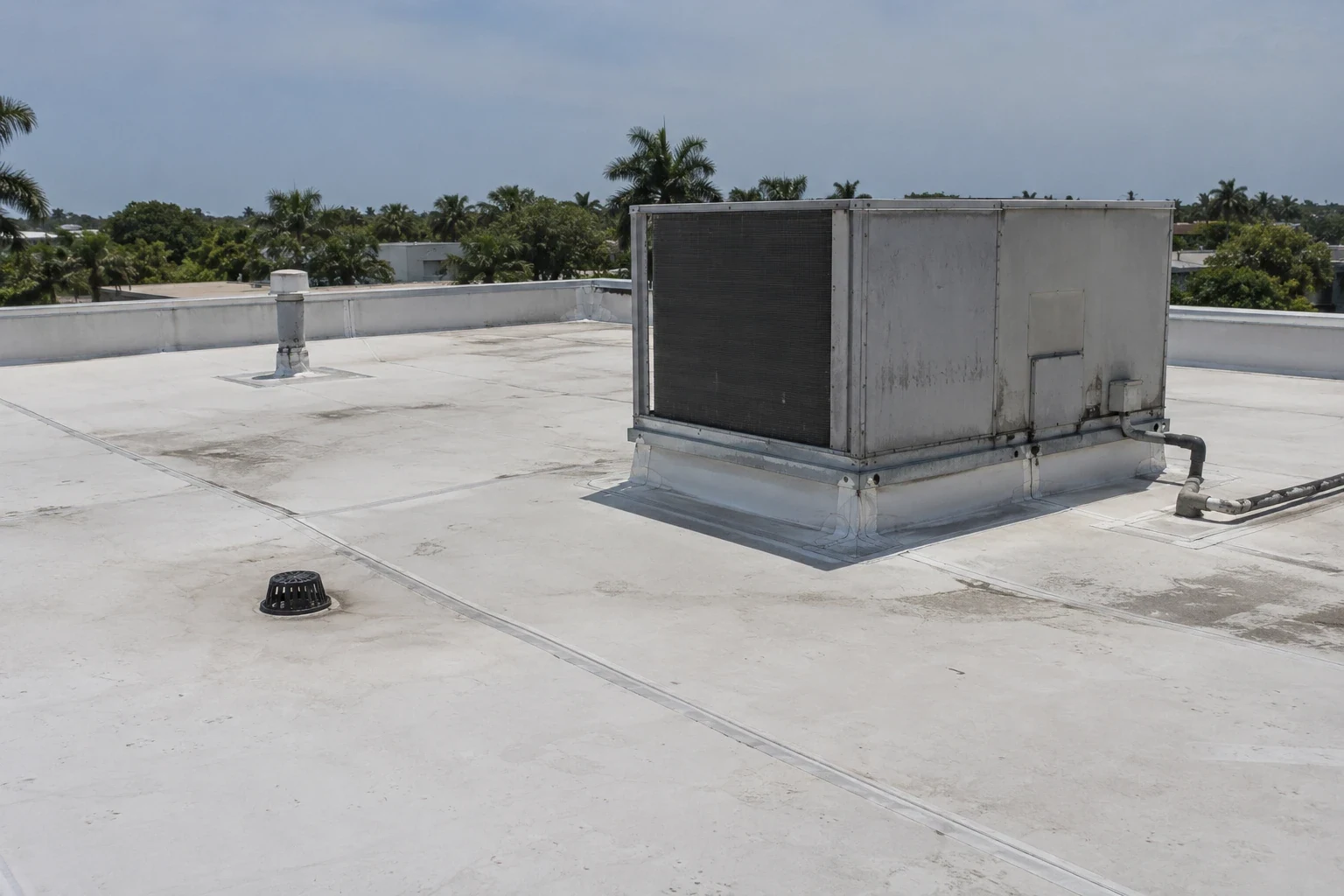
When should the bid separate repair from replacement?
A repair may remain within scope when damage is isolated, the surrounding material is sound, and the detail can be restored without leaving a broader failure in place. Recurring leaks across multiple areas, moisture in the assembly, or widespread transition deterioration can move the comparison toward replacement. Recovery is an option only when existing layers, attachment, substrate, and drainage suit the proposed assembly. We document the evidence behind each path and identify what additional testing could change the boundary.
Project cost and duration depend on tear-off depth, insulation replacement, deck repair, parapets, edge metal, material handling, lift access, disposal, fire watch where needed, temporary cover, and occupied-building phasing. Those drivers should be separated so the owner can compare complete work packages. If SOPREMA systems are weighed against GAF or Sika Sarnafil, the comparison should hold roof conditions, attachment assumptions, details, access, and closeout steady. We mark exclusions and concealed-condition allowances before the capital sequence is approved.
How does a live building affect the work package?
The GC identifies which occupants, deliveries, HVAC operations, and other trades need access while the roof project advances. We coordinate the staging constraint, lift location, material storage, pedestrian protection, daily stop point, and temporary cover with the site team. If a work area cannot be closed safely within the shift, the crew's sequence should change before removal begins. The field record also preserves completed areas and unresolved conditions so a schedule change does not erase earlier decisions.
Hialeah identifies manufacturing, retail, and restaurants among its economic sectors, and West 49th Street as a commercial area serving businesses and shoppers. For a project in Hialeah, we confirm the property's gate, loading time, tenant access, and roof layout with its GC before setting work zones. A project in Miami Lakes needs its own access plan, roof construction record, and drainage review. We compare schedules only after each property's assembly, repair history, and access requirements are documented.
For submittal review, the project team should connect the named product components to the actual assembly detail and field condition. Identify the substrate preparation, attachment or application method, flashing transition, and inspection point that belong to each roof zone. If the existing surface differs from the drawings, record the discrepancy and request direction before treating a standard detail as approved for that location. Keep product selection, manufacturer documentation, design approval, and installation verification in their respective records. This makes a proposed SOPREMA system reviewable by the GC and owner without presenting a product family as proof of performance or suitability.
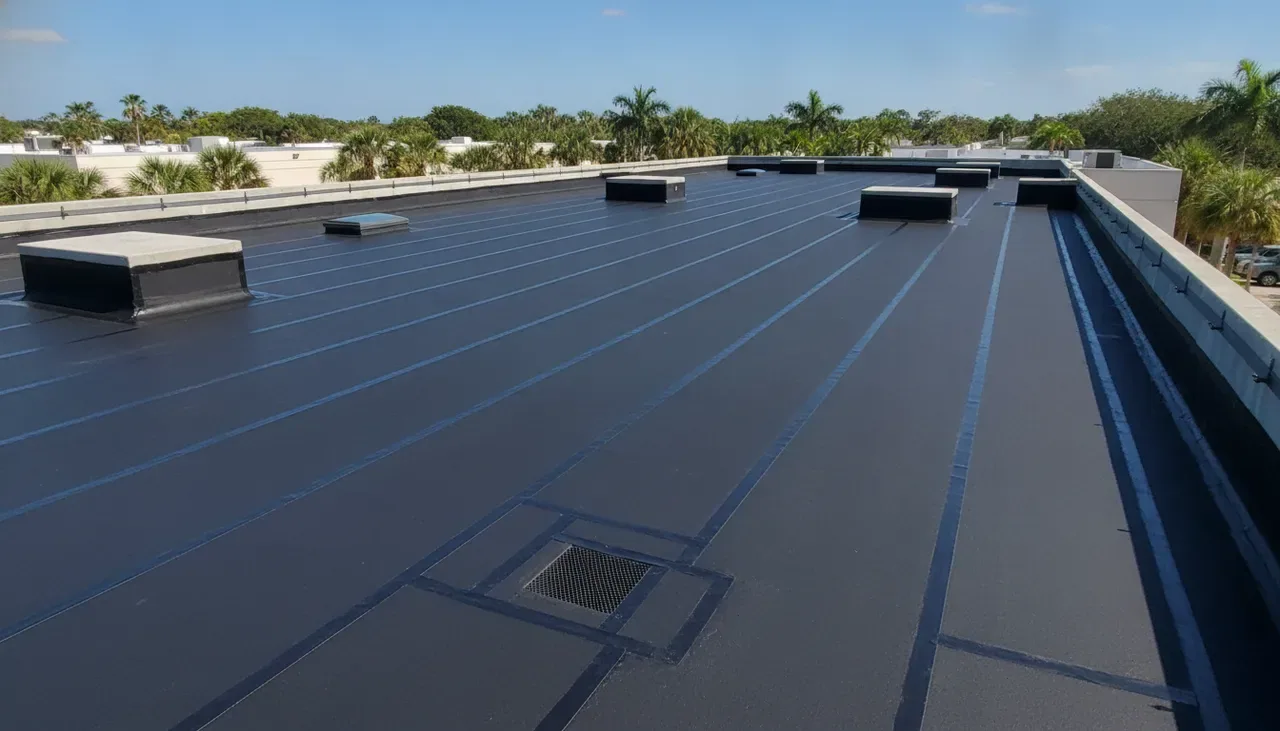
Connect system selection to field conditions
Share roof plans, prior repairs, occupancy constraints, access windows, and project schedule. We will map the SOPREMA assembly questions to roof areas, installation steps, and approval points.
Questions About SOPREMA Commercial Roofing
Can SOPREMA PVC and modified bitumen be compared in one scope?
Yes, when the comparison uses the same roof area, building requirements, access limits, and closeout assumptions. We note the different assembly and installation sequence so the bid does not treat the systems as interchangeable.
When is a liquid-applied roof system considered?
We first check substrate condition, preparation needs, transitions, and the proposed system requirements. Existing roof layers and moisture findings determine whether restoration belongs in the comparison or another boundary is needed.
What should be documented at a test cut?
Record the roof-area location, construction observed, moisture condition, and reason for opening. We keep that sample tied to its area and do not use it to describe sections it did not represent.
How do I plan around a wet-season installation window?
Set the roof zones, daily stopping point, temporary protection, and closeout responsibility before work starts. Regional rainfall timing informs the plan, while actual site conditions control each shift's limits.
What changes the scope after SOPREMA materials are selected?
Deck repairs, wet insulation, altered edge conditions, hidden layers, or access changes can affect the work package. We document the condition, quantity, and approval point before proceeding with added scope.