
Commercial Roofing in West Park, FL
Service Areas
Plan West Park commercial roof work with defined access windows, documented roof areas, and repair or replacement scopes for general contractors.
West Park Overview
West Park commercial roof planning starts with the parcel, the access route, and the work boundary. The city borders Miami-Dade County to the south, Pembroke Park to the east, Hollywood to the north, and Miramar to the west. We confirm each property’s roof assembly, tenant hours, and delivery route with the site team before setting a work package.
On the first walk, we mark roof areas and connect each observation to the plan. We document seams, drains, perimeter details, penetrations, equipment, and prior repair locations, then note what remains concealed. Photographs need a corresponding map mark; readings and test cuts stay tied to their sample points. A commercial roof inspection can help the GC separate a localized repair candidate from a broader replacement boundary, with an approval point attached to each unresolved condition.
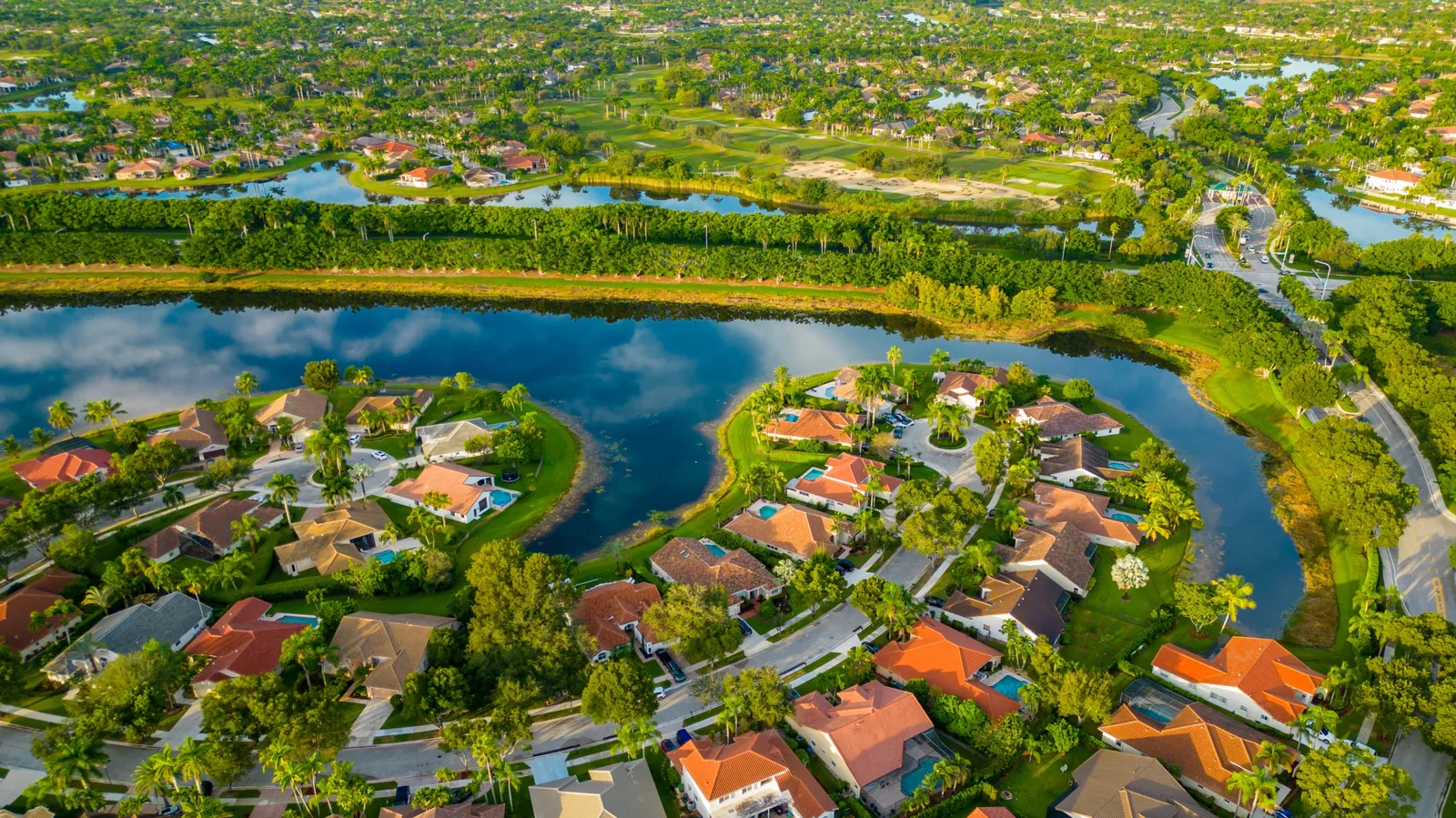
How should nearby municipal boundaries enter the schedule?
West Park's boundaries meet Miami-Dade County, Pembroke Park, Hollywood, and Miramar. For project coordination, that regional position can matter when the GC is arranging deliveries, trade handoffs, or separate property visits. It is not a basis for assuming how a specific site operates. We ask the property contact to confirm which entrance serves the work, where a lift can stage, what pedestrian routes stay open, and when the roof can be accessed.
Once those answers are confirmed, we mark them beside the roof zones they affect. A delivery route that changes or an access window that shifts can alter crew sequence even when the roof scope itself remains the same. Keep the location, contact, timing assumption, and follow-up item in the field condition record. If a project sequence also includes Pembroke Park or Hollywood, document each property's limits independently so one site's access plan is not carried over to another.
More on West Park
The sections below cover the questions property teams ask before they approve the work.
What can the commercial parcel context tell the GC?
West Park is largely residential but also contains business, commercial, and industrial parcels. For a commercial roof package, we start with the property records and GC’s scope, then confirm which areas require continued access, equipment service, or protection during open-roof work.
Those questions inform the occupancy plan without turning general city context into an unresolved site claim. We map the known repair history and observed conditions, identify any area that needs testing, and note the person responsible for confirming an access decision. Where the project contains several roof sections, record their condition separately before combining quantities. A repair package should state which areas are included, which adjacent transitions are affected, and what additional finding would change the work boundary. This gives the owner a reviewable scope instead of a generic allowance.
How does seasonal rain change the daily closeout?
NWS places South Florida’s wet season between May 15 and October 15, a span that receives 60 to 70 percent of an average year’s rain. For West Park roof work, we set the exposed-area limit, temporary cover, and closeout check before mobilization.
Regional heat and humidity also support frequent showers and thunderstorms across the South Florida peninsula and adjacent waters. We use the current site forecast and field conditions to set a safe stop line, protect staged materials, and decide whether a zone can be closed in the available window. If not, the crew sequence can move before the roof is opened. The proposed roof assembly needs its own preparation and inspection steps in the work package. Record the completed area and next check so another trade or a schedule change does not obscure the closeout status.
Industries We Work With
Owners and operators in these fields rely on us to plan roof work around their buildings.
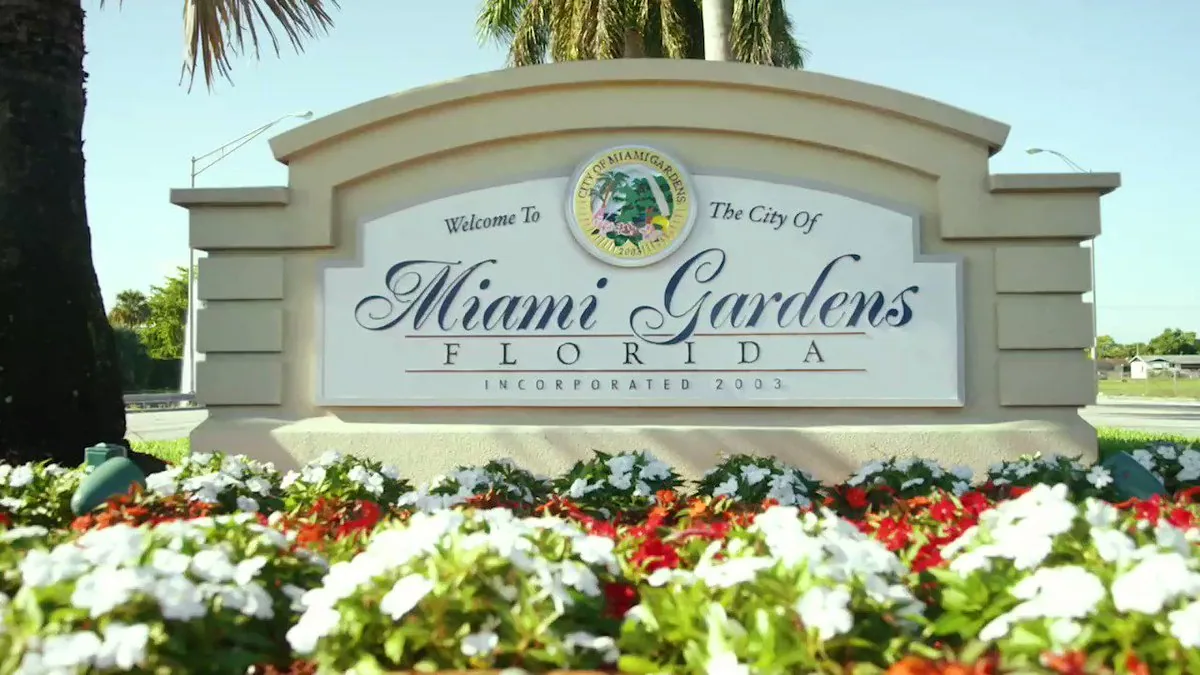
Coordinate healthcare roof work in Miami Gardens, FL around patient routes, critical rooms, equipment, infection controls, and documented approval windows.
Coordinate 3PL roof work in Miami Gardens, FL around dispatch cycles, dock access, inventory protection, equipment routes, and phased closeout.
Plan school district roof work in Miami Gardens, FL around student routes, athletic spaces, summer windows, classroom protection, and board approvals.
Coordinate portfolio roof work in Miami Gardens, FL with area records, access windows, repair priorities, and approvals that keep each asset distinct.
Related Roofing Work
Other pages that cover the same roof question.
Roof leaking now? Call 555-555-5555 and we will send a crew to look at it.
Which evidence supports a repair, recover, or replacement bid?
A localized defect may remain a repair candidate when the surrounding roof and tie-in can support a durable detail. Before a recover bid is considered in West Park, the review records each layer, tests attachment and moisture, checks drain performance, and matches the proposed assembly to what remains in place. Replacement may be the stronger option when conditions are widespread, the substrate is unsuitable, or recurring repairs would leave the underlying issue unresolved. We document the evidence and boundary for each alternative instead of applying one scope to every roof area.
Cost and timing can move with tear-off depth, insulation or deck work, drains, edge transitions, waste handling, lift access, protection, and occupied-building phasing. Separate measured quantities from concealed-condition allowances. If a test cut or design response is required, describe which decision depends on it and who provides the next approval. The owner can compare a recover option with replacement work when each alternative carries its own assumptions and follow-up item. That sequence keeps a preliminary number from being mistaken for an approved final scope. Before pricing concealed work, identify the observation that triggered the allowance, the limits of the inspection, and the evidence needed to release or revise it. The GC can then carry a defined decision into the next owner review. At each roof transition, note whether the adjacent detail is included, excluded, or awaiting confirmation; this prevents a boundary condition from disappearing between trades. Document the expected inspection and closeout record for each alternative, including photographs or test results when required. If a proposed scope changes after mobilization, update the affected roof-plan area and the approval record before extending the work.
How can multiple trades share the same roof-area plan?
Before mobilization, ask the GC to list the trades that need roof access, the equipment service windows, the delivery periods, and any route that must remain clear. Translate those answers into work zones, daily stop lines, protection requirements, and inspection points. If a change affects a roof opening or temporary tie-in, identify the person who approves the revised sequence and the record that shows closeout.
For portfolios spanning Miami Gardens, FL and West Park, keep each property's measurements, condition notes, and schedule constraints separate. Regional seasonal patterns may guide planning, while the site team checks conditions at the West Park property before work begins. A multi-site roof program can organize those follow-up items without merging the evidence. Share roof plans, prior repairs, occupancy limits, access windows, staging needs, and target dates so we can prepare a field review that supports the GC's sequencing and the owner's next decision.
For the owner review, group the findings by decision rather than by trade alone: work that can be defined now, investigation needed before pricing, and items that depend on an access or design response. Attach a roof-zone reference and a responsible contact to each group. This format helps a GC compare sequence and budget without folding unverified conditions into a single allowance. When the property team changes a delivery or occupancy constraint, update the affected work window and identify whether the roof boundary itself changes. The next estimate or field visit can then begin from a current record instead of reconstructing the assumptions.
Set a reviewable West Park roofing sequence
Send the roof plans, access and occupancy constraints, repair history, staging limits, and target schedule. We will connect the field record to roof-area options and the next approval point for your project.
Questions About West Park
What site information is needed before roofing work in West Park?
Provide roof plans, prior repair records, access routes, staging limits, occupancy requirements, rooftop equipment windows, and the project schedule. We confirm the details with the property team before mapping work zones.
Do city boundaries determine which contractor route is available?
No. Nearby municipalities provide regional context, while the actual property entrance, delivery conditions, and access permissions need confirmation for each project.
How should concealed roof conditions affect the estimate?
Keep measured work separate from allowances for concealed conditions. If testing is needed, tie its location and result to the decision that could change the scope.
Can a GC phase repairs around occupied areas?
Phasing depends on the site's routes, access windows, and protection requirements. We define the work zone and daily closeout point with the team responsible for operations.
When should replacement be compared with recovery?
Compare the existing layers, attachment, moisture, substrate, drainage, and tie-in conditions. Document the assumptions and any test or approval that remains open for each option.